Comprehensive Mature Adult Neurological Care Programs
Specialized senior memory care programs play an essential role in assisting individuals facing memory challenges. These services offer customized treatment approaches and structured environments that improve psychological health. Qualified caregivers provide empathetic care, building relationships and engagement. As families seek the optimal solutions for their loved ones, grasping the features and benefits of these services becomes vital. The process of discovering the perfect match can lead to transformative experiences for both seniors and their families.
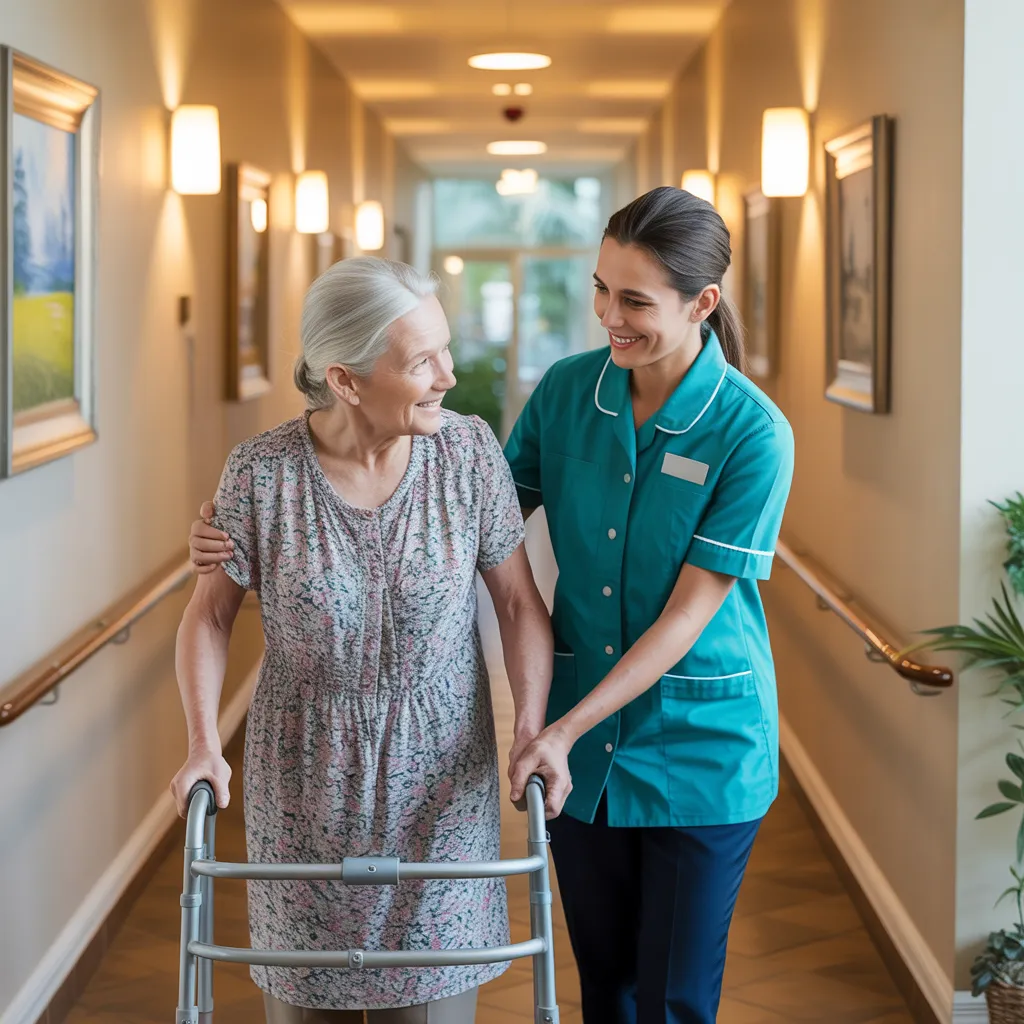
Addressing Memory Loss: Understanding Dementia Support
Tackling cognitive challenges requires a nuanced understanding of cognitive assistance, as it encompasses different plans designed to specific demands. Memory care focuses on helping seniors with cognitive impairments, such as Alzheimer's disease or other varieties of dementia. This specialized framework strives to create a safe and regulated environment that promotes independence while upholding the health status of residents.
Effective memory care solutions often incorporate individualized care plans, interactive activities, and interventions aimed to boost mental acuity. Care providers finish specialized instruction to understand the complexities of memory impairment and to engage proficiently with residents. In addition, establishing social bonds and psychological support is critical in enhancing life quality find the information for those struggling. In essence, understanding memory care entails acknowledging the varied issues experienced by persons with memory loss and the importance of specialized interventions to manage those challenges effectively.
Vital Attributes of Robust Memory Care Programs
Effective memory care programs incorporate several essential features that elevate the life satisfaction for elderly persons. Bespoke care plans are paramount, as they fulfill distinct requirements and interests. Additionally, an engaging activities schedule and knowledgeable staff skills play significant roles in establishing a encouraging setting for occupants.
Individualized Care Approaches
Personalized care plans act as the key element of effective memory care programs, adapting support to the unique needs and preferences of every individual. These plans are formulated through detailed assessments, which assess cognitive function, medical history, and personal interests. This individualized approach assures that caregivers can provide targeted and significant support, enhancing the quality of life for residents. Regular reviews of these care plans permit adjustments based on the individual's evolving needs and progress. Additionally, involving family members in the planning process builds collaborative relationships and promotes a holistic understanding of the resident's background and preferences. Ultimately, personalized care plans are vital in tackling the complexities of memory care, guaranteeing that each resident receives compassionate and effective assistance.
Interesting Programs Calendar
thoughtful activity plan is crucial for improving the quality of life
Professional Team Skills
Trained staff play a pivotal role in the success of memory care programs, ensuring that residents receive the specialized support they need. Their expertise includes understanding various forms of dementia and effective communication strategies adapted for individual residents. Ongoing training in behavioral management techniques enhances their ability to address challenging situations with compassion and patience. Additionally, staff members are equipped to implement personalized care plans that focus on the distinct needs and preferences of each individual. This specialized training fosters a comfortable and nurturing environment, promoting cognitive engagement and emotional well-being. Ultimately, the proficiency of trained staff not only improves the quality of care but also enriches the overall experience for residents, making them feel valued and understood.
How Bespoke Care Facilitates Treatment of Alzheimer's and Dementia
While many people with Alzheimer's and dementia face distinct challenges, personalized assistance can greatly enhance their quality of life. Individualized treatment strategies, developed based on individual needs and preferences, guarantee that each person receives the specific help that promotes their well-being. This approach not only addresses daily living activities but also emphasizes psychological and cognitive care.
Engaging people in recognizable and purposeful tasks can stimulate memory and foster a sense of purpose. Personal connections with caregivers, who understand the subtleties of each resident's history, further enhance emotions of safety and confidence. In addition, personalized support can help decrease anxiety and agitation, prevalent in those with memory impairments. By establishing a supportive setting that respects individuality, advanced cognitive support initiatives empower residents to preserve dignity and enhance their overall experience. Ultimately, tailored assistance plays a essential role in making life more easy to navigate and pleasant for those dealing with Alzheimer's and dementia.
Determining the Ideal Memory Care Program for Your Family Member?
Determining the appropriate memory care program necessitates a careful evaluation of the individual needs of your loved one. It is essential to assess the activities presented by each program and the degree to which they correspond with those requirements. Furthermore, considering the expertise of the caregivers can be vital to ensuring superior care and help.
Determine Specific Needs Prior to Anything Else
How can families confirm they pick the most fitting memory care program for their loved ones? The initial step involves a comprehensive assessment of individual needs. Families should take into account the particular mental difficulties their loved ones encounter, as well as their bodily wellness, mental condition, and personal preferences. Comprehending the unique combination of these factors can help with identifying a program that matches their loved one's requirements. Additionally, families should assess the level of care needed, including assistance with daily activities and any expert health services. Participating in open conversations with the loved one and speaking to healthcare professionals can further clarify these needs, ensuring a more informed decision when selecting the appropriate memory care program.
Review Program Events Available
Evaluating the programs offered by memory care programs is essential for ensuring they meet the requirements and likes of residents. Engaging tasks can stimulate cognitive function and encourage social interaction, helping to enhance the overall quality of life. Programs should include a range of activities tailored to different cognitive levels, such as arts and crafts, music therapy, and guided reminiscence sessions. Outdoor activities and physical exercises are also important for supporting physical health and mobility. In addition, it is beneficial to assess whether the activities encourage family involvement, building connections between residents and their loved ones. Ultimately, a well-rounded schedule that focuses on both mental and physical engagement can greatly contribute to a resident's emotional well-being and fulfillment.
Review Staff Qualifications Meticulously
When assessing a memory care program for a loved one, reviewing staff qualifications is important, as the competence and knowledge of care providers directly influence the quality of support delivered. Interested families should ask about the educational qualifications, licenses, and focused education of staff. Facilities employing trained professionals in dementia care can deliver personalized care that satisfies unique requirements. It is equally valuable to review caregiver-to-patient numbers, confirming sufficient care and monitoring. Moreover, continuous learning opportunities for staff show a commitment to delivering quality service. Loved ones should have confidence that their family members receive skilled care
Memory Care Initiatives That Support Well-Being
Involving oneself in memory care activities can significantly benefit the well-being of seniors dealing with cognitive challenges. These activities are designed to stimulate cognitive functions, improve social interaction, and foster emotional health. Activities like puzzles, memory games, and reminiscence therapy help encourage mental engagement and reinforce neural connections. Art and music therapy create creative outlets, helping seniors to express themselves and connect with their emotions.
Physical activities, like soft movement or choreography, not only improve range of motion but also boost mood and lower worry. Tending gardens and nature hikes can deepen sensory involvement and build a sense of accomplishment. Shared pursuits, such as narrative sharing or kitchen classes, facilitate social engagement, reducing sense of disconnection. Ultimately, personalized memory enhancement activities play an crucial role in upholding honor and enhancing the level of wellbeing for seniors, providing them with meaningful experiences that inspire delight and relationships in their daily lives.
How Family Members Support with Memory Services
Family members maintain an indispensable role in contributing to memory care, as their participation can markedly enhance the quality of life for seniors addressing cognitive challenges. By maintaining ongoing contact, families help seniors feel engaged, curtailing feelings of disconnection that regularly accompany memory loss. Meaningful engagement in care practices, such as helping with daily activities and attending therapy sessions, fosters a sense of reassurance and familiarity.
Moreover, kinfolk can champion their dear family, making sure their needs and wishes are met within specialized dementia services. Expressing personal memories and life stories can enhance mental engagement, making everyday exchanges more significant. Grasping the specific challenges of cognitive impairment allows family groups to provide tailored assistance, fostering a supportive setting. In essence, the emotional and practical participation of family members is crucial, as it not only enriches the elderly person's quality of life but also fortifies family bonds through this challenging period.
Transformative Success Stories From Memory Care Programs
The involvement of household members in memory care not only strengthens the affective health of seniors but also paves the way for remarkable transformations within care environments. In one noteworthy example, a resident named Margaret, who presented severe anxiety, underwent a profound change after her daughter began taking part in daily activities. Their bonding moments cultivated a sense of comfort, yielding improved interactions with personnel and other residents.
Correspondingly, a program in a local facility centered around individual story sharing, permitting residents to share their life experiences with family. This endeavor not only boosted seniors' self-esteem but also deepened familial bonds, leading to observable improvements in mood and cognitive engagement.
These remarkable accounts show that when families take part in memory care, they build an setting that promotes wellness and progress, demonstrating the profound impact of love and connection in professional memory care environments.
Standard FAQ Area
What Requirements Ought to Be Required for Staff in Memory Care Programs?
Workers in memory care programs need to maintain suitable professional credentials in gerontology or dementia care, skill in conduct management, proficient communication skills, genuine care, and ongoing training to keep current on evidence-based approaches for supporting persons with impaired memory.
What Method Do Memory Care Services Take for Medical Emergencies?
Memory care programs typically implement protocols for medical emergencies that encompass workforce preparation, immediate access with healthcare providers, contingency procedures, and regular drills to guarantee preparedness for diverse emergencies affecting residents' physical wellbeing.
Can You Have Pets at Memory Care Facilities?
Recognition of how animals positively affect inhabitants' psychological wellness has made many care environments pet-friendly. These facilities regularly allow pets, nurturing companionship and alleviating stress among individuals with memory challenges.
What Might You Anticipate to Budget for Memory Support Programs?
The typical cost of memory care ranges from $3,000 to $7,000 per month, based on location, amenities, and level of care required, with many facilities offering various pricing structures to accommodate different needs.
In What Methods Should Families Engage With Staff About Their Family Member's Needs?
Families could develop effective interaction with staff via conducting frequent meetings, offering detailed observations, seeking information about care strategies, and sharing concerns. Genuine communication strengthens partnerships and ensures that the loved one's needs are properly addressed.